
Kitchen Hints and Tips
Meat
- To thaw frozen meat, seal it in a plastic bag and place in a bowl of very warm water.
- When browning any piece of meat, the job will be done more quickly an effectively if the meat is perfectly dry and the fat is very hot.
Bacon
- Coat bacon in flour before cooking it, and it will not shrink as much.
- To keep bacon slices from sticking together, roll the package into a tube shape and secure with a rubber band before refrigerating.
- When you freeze bacon, there's no waiting for thawing if you arrange the strips flat, slice by slice, on wax paper, then roll them up. Put them in a plastic bag in the freezer. To use, unroll and peel off the necessary number of slices.
- Fry bacon ahead of time. Drain, then wrap in wax paper. Freeze them in a plastic bag or other freezer container. Reheat briefly in a skillet.
- To keep fresh, wrap in a vinegar-soaked cloth, then in wax paper.
- To prevent bacon from curling, dip the strips in cold water before frying.
- Bacon will lie flat in the pan if you prick it thoroughly with a fork as it fries.
Basting
- Use the leafy ends of a celery stalk for basting meat, chicken or fish. No greasy brush to clean!
Cold Cuts
- Cold cuts will stay fresh for as long as two weeks if you roll them up and place them in a covered glass jar before refrigerating.
Corned Beef
- To prevent corned beef from turning stringy and dry after cooking, let it cool in the cooking liquid until it is warm rather than hot, then remove and slice for serving. This keeps the meat tender and juicy.
Deep Frying
- If you don't have a deep-fry thermometer, you can still estimate the temperature of the oil. Here's how: place the handle of your wooden spoon, or a wooden chopstick, into the oil. If a steady stream of bubbles emerge from the wood, the oil is perfect. (If the oil starts rapidly bubbling, or if few bubbles are present, then the oil is too hot or too cold, respectively.)
Dried Beef
- Pour melted paraffin on the cut end of dried beef to keep it from molding or drying out.
Duck
- When preparing a wild duck for cooking, remove the small bony "nub" at the tail. At the base of this appendage there are ducts which secrete oil with which the duck preens or lubricates its feathers. If the ducts are not removed, the meat will acquire an unpleasant musky taste from the oil.
Ground Meat
- Before freezing ground meat, flatten it into a square or into patties, rather than leaving it in a mound. It will thaw faster later.
Ham
- Before opening a can of ham, run very hot water over the can for a minute or two. Open the can, and the ham will slip out easily.
- Wrap in a vinegar-soaked cloth, then in wax paper to preserve freshness.
- For a moist baked ham, pour a bottle of cola into the pan and wrap the ham in aluminum foil. Remove the foil about 1/2 hour before the ham is done and allow the drippings to mix with the cola for a tasty brown gravy.
- To remove the rind on ham, slit the rind lengthwise on the underside before placing it in the roasting pan. As the ham bakes, the rind will pull away and can be removed easily without lifting the ham.
Hamburgers
- Shape hamburgers by pressing portions of ground meat between two plastic tops of margarine tubs; then remove and cook (or freeze) the hamburgers.
- For juicier hamburgers, add one stiffly beaten egg white to each pound of ground meat.
- Poke a hole in the middle of hamburger patties while shaping them. The burgers will cook faster, and the holes will disappear when done.
Liver
- Beef liver will be very tender if soaked in milk. Refrigerate about two hours, remove, dry thoroughly, and prepare it the way you like.
Marinating
- Combine marinade ingredients in a plastic bag and squeeze to blend them. Add the meat; seal the bag, removing as much air from it as possible. Turn the bag rather than turning the meat itself.
- Marinate meat in liquid before you freeze it. The marinade goes to work as soon as thawing has begun.
- Instead of putting whole spices and leaves in cheesecloth for a marinade, just steep an herb and spice tea bag in your next bath of marinade.
- Marinating meat overnight will reduce cooking time by almost half.
Meatballs
- Brown meatballs fast in a single layer in a jellyroll pan. Bake for 15 minutes at 350 degrees F.
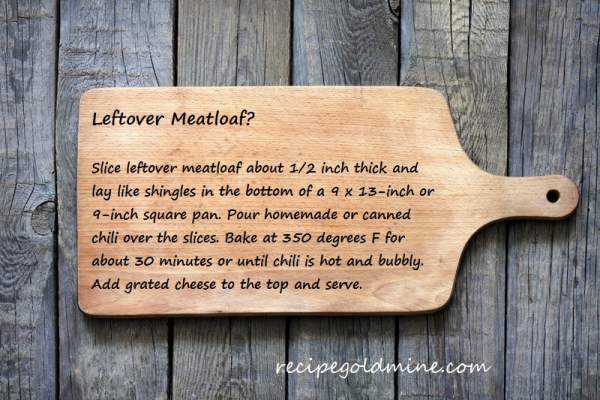
Meatloaf
- Combine all the ingredients in a plastic bag, remove all air, seal, and knead the bag to blend.
- Brush cold water over the top of your meatloaf to prevent it from cracking.
- Instead of bread crumbs, add crushed cornflakes or corn bread to meatballs.
- To avoid grease on the bottom of the pan when you bake a meat loaf, line the bottom with bread slices and place the meat loaf directly on top. When you lift the meat out of the pan, discard the grease-soaked bread.
- Before adding chopped onions or celery to meatloaf, saute in butter, margarine, or salad oil. Saut ing enhances and mellows the flavor - plus you won't find crunchies in the meatloaf.
- Meatloaf will cook faster if shaped into individual-size loaves or baked in cupcake tins.
- Meatloaf will not stick if you place a strip of bacon on the bottom of the pan.
Roasting
- To keep roast meat or poultry from sticking to the pan, place it on a row of celery stalks and carrot sticks that have been tossed with a little salad oil. Roast as usual. You don't need a roasting rack.
- Pour 1/2 cup sweet pickle juice over beef, ham or pork before roasting.
- When cooking a beef roast, save the pan juice and freeze it in ice cube trays. Wrap the solid cubes in foil and store in the freezer for instant beef stock for soup or stew.
- A roast will stay hot for an hour or more if you wrap it in doubled aluminum foil, then several thicknesses of newspaper.
- Allow a roast to stand for 15 minutes before removing it from the oven. This will ease slicing.
- A shallow pan is better for roasting meats because if allows heat to circulate around the roast.
- To prevent meat from scorching when roasting, place a pan of cold water in the oven.
Sausage
- Boil sausage links for about 8 minutes before frying, and they will shrink less and not break at all. Or, roll them lightly in flour before frying.
- Skewer sausages together before frying. They can be turned all at one time with a spatula. This also cuts down on spatter.
- Run cold water over the paper before you remove roll sausage from the package, or let it set in cold ice water for a while. The sausage will not stick to the paper.
Steaks
- To keep them flat when cooking, cut several nicks in the fat all around the piece of meat with kitchen scissors to prevent it from curling.
- Flat iron steaks are also known as top blade steaks. Flat iron steaks benefit from marinating. You can substitute flat iron steaks in any recipe calling for flank or skirt steak. This cut is best grilled over a medium-high heat. Don’t go as hot as possible unless you pick up a very thin cut. Because of the density of the meat, it is generally best to start with a quick sear before moving to a lower temperature to finish off to the desired doneness.
Tenderizing
- Rub both sides of tough meat with a mixture of vinegar and olive oil. Let it stand for two hours before cooking.
- Add a tablespoon of vinegar to the cooking water before boiling meat.
- Marinate tough meat or game for at least two hours in equal parts heated bouillon and vinegar.
- If you want to cook a tough piece of meat, select a recipe that has fruit in it — pineapple, papayas, crab apples, bananas, figs or kiwi - all of which contain tenderizing enzymes. Moist cooking, such as crock pot and roasting in a slow oven while sealed in foil, is preferable to dry cooking.